
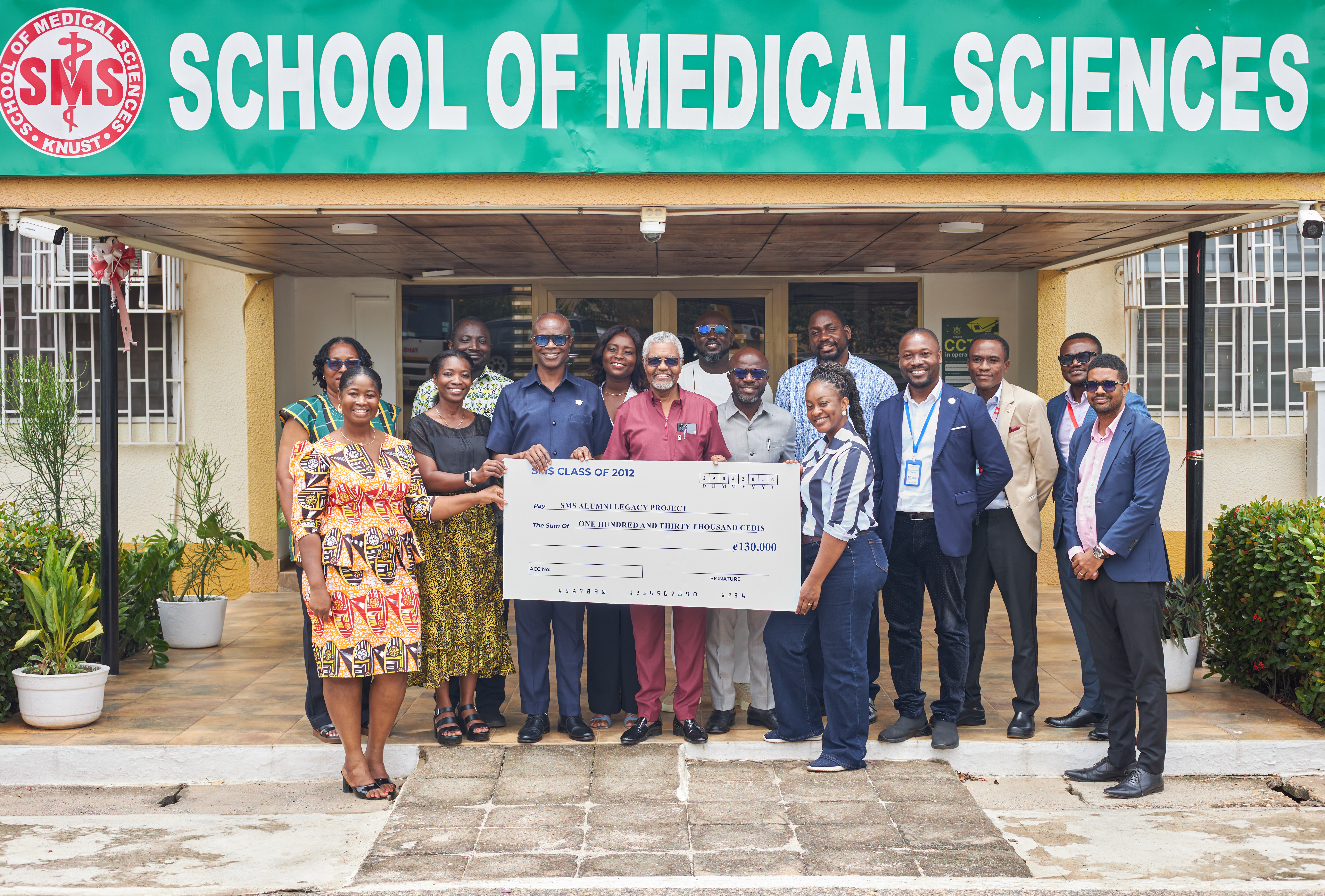
The School of Medical Sciences (SMS) at the Kwame Nkrumah University of Science and Technology, Kumasi (KNUST), has received a donation of One Hundred and Thirty Thousand Ghana Cedis (GH¢130,000) toward its Alumni Legacy Project from the SMS Class of 2012.
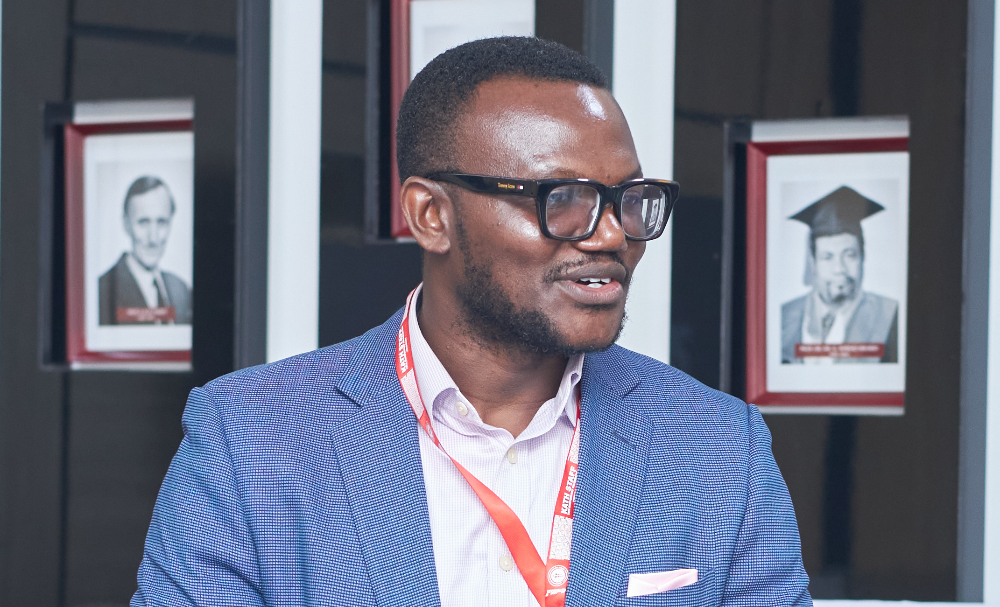
Dr. Charles Martyn-Dickens, Alumni Coordinator for the SMS Class of 2012, explained that the donation reflects a sense of duty rather than obligation.
Dr. Martyn-Dickens emphasized that the motivation behind the contribution stems from the deep connection alumni share with their alma mater and forms part of a broader alumni-driven effort to support infrastructure and development within the school.
“If you understand the meaning of ‘alma mater’, then you realize that supporting the institution that trained you is not something you have to be persuaded to do. It is a responsibility,” he noted.

The Dean of SMS, Prof. Akwasi Antwi-Kusi, expressed appreciation to the alumni for their consistent support over the years. He noted that alumni contributions have become a critical source of funding for the school, particularly in the face of limited financial resources.
“For the past few years, alumni have continuously supported the school with donations ranging from computers to printers and other resources. Virtually everything you see here has come from alumni support,” he said.
The Dean further encouraged younger graduating classes to actively participate in alumni initiatives, noting that their numbers position them to make even greater impact.
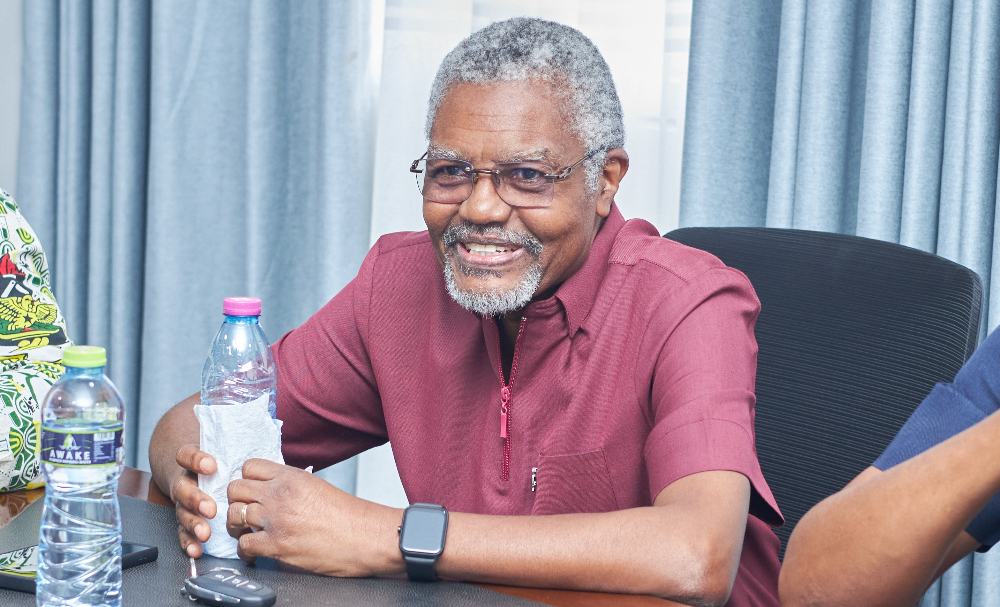
Global Alumni President for SMS, Professor Joslin Dogbe, described the Legacy Project as a long-term, collective responsibility of all alumni. He underscored the importance of sustained engagement and contributions to ensure the successful completion of the project.
“This is just the beginning. We will continue to call on alumni to support until the project is fully realized,” she said.
Professor Dogbe also highlighted ongoing challenges facing the school, particularly space constraints affecting student accommodation and academic scheduling and expressed optimism that the Legacy Project would help address some of these issues.


